Manchester United's proposed new stadium has become the anchor for one of the UK's largest regeneration schemes, and Stretford sits on its doorstep.
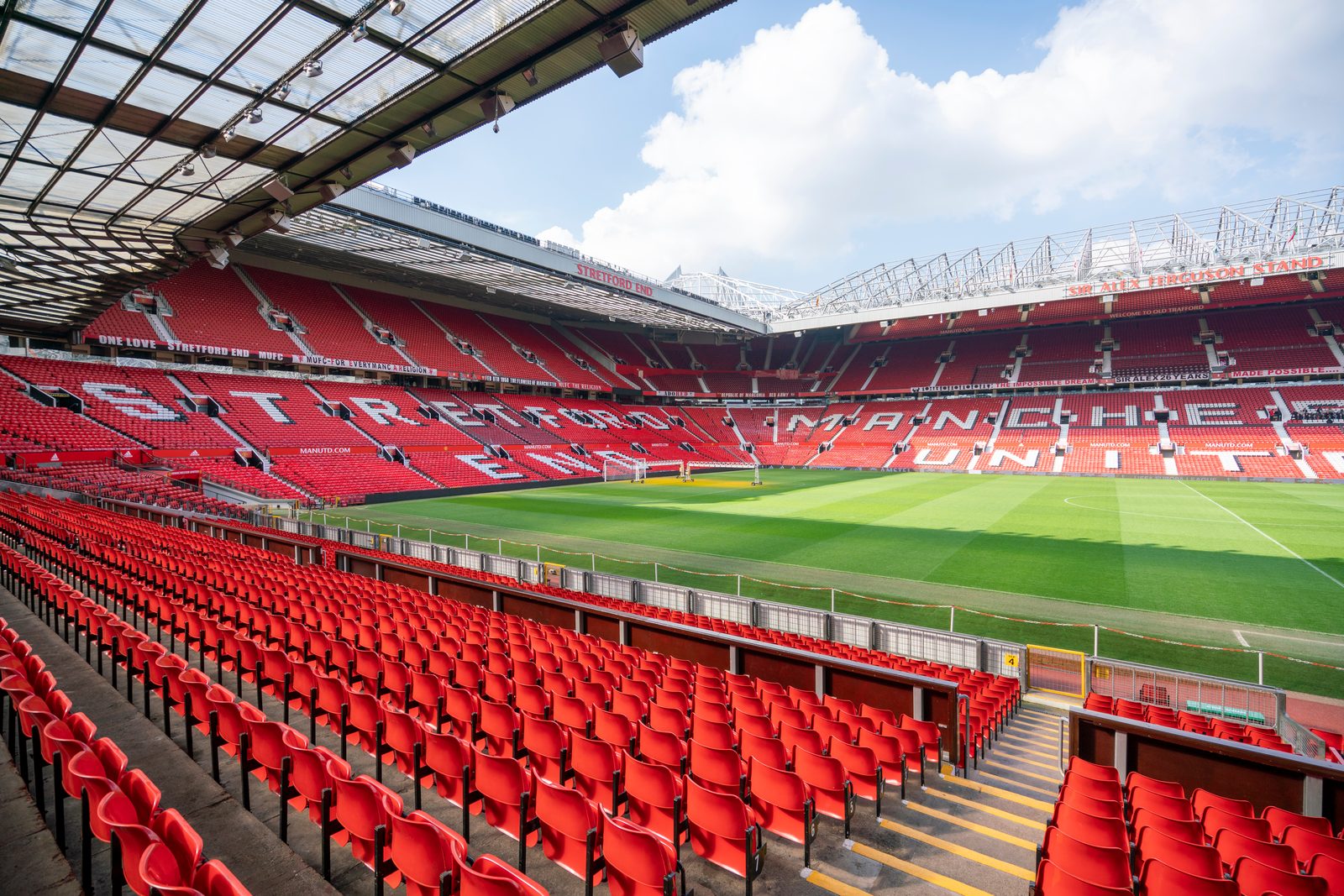
In March 2025, Manchester United confirmed its ambition to build a new stadium beside the existing Old Trafford ground, with a reported capacity of around 100,000 seats, which would make it the largest in the country. The architecture practice Foster + Partners has been appointed to lead the design, and the project has been widely reported at a cost in the region of £2 billion. A firm timeline and funding model are still to be confirmed, so the stadium itself should be read as a serious proposal rather than a settled scheme.
What has moved faster is the regeneration framework around it. Crucially, the stadium is positioned as the centrepiece of a much wider plan for the Trafford Wharfside and Old Trafford area, not a standalone project.
From a stadium to a district
In January 2026, the Old Trafford Regeneration Mayoral Development Corporation was officially launched, chaired by Lord Sebastian Coe and established by Trafford Council and the Greater Manchester Combined Authority following government approval. Its remit covers a regeneration area of around 370 acres. Reported ambitions for the wider scheme include roughly 15,000 new homes and tens of thousands of local jobs over the lifetime of the project, alongside new public realm, transport links and commercial space.
The separate Trafford Wharfside strategic masterplan (reported to carry a long-term development value of around £4.2 billion) has been awarded to a consortium of designers and consultants, with the first Wharfside development reported to have secured planning permission and a start on site anticipated. A Mayoral Development Corporation matters here: it signals long-term public-sector commitment, coordinated planning and a single body driving delivery, rather than a loose collection of individual sites.
The halo effect on Stretford
Regeneration at this scale rarely stops at its own boundary. Improved transport, new jobs, upgraded public spaces and thousands of new residents tend to lift the areas immediately around a major scheme: the so-called halo effect. Stretford, which adjoins the Old Trafford and TraffordCity area, is well placed to feel that pull, and the borough has separately signalled its own regeneration intentions for Stretford town centre.
The usual caveats apply. Large schemes evolve, capacities and homes figures get revised, and timelines slip. But the direction of travel (significant public and private backing focused on this corner of Greater Manchester) is now clearly established rather than speculative.
One Trafford Edge sits on Barton Road in Stretford, within walking distance of the Trafford Centre and adjacent to the area now at the centre of this regeneration push. For a buyer or investor, the appeal is location rather than the stadium itself: owning in an established neighbourhood beside a long-term, publicly backed regeneration zone, while the wider delivery plays out over the years ahead. Register your interest →